America has a way of normalizing rebellion. Beat poets in smoky coffee shops turned into hipster coders in Starbucks; the opt-outs of surf culture were transformed into commercial commodities packaged by Gidget and The Beach Boys; and the body art once reserved for sailors has become a rite of passage for 21st-century housewives. Mid-century hot-rod culture has gone through a similar domestication: vestiges of its fiery independence and outsider quality can be found in the low-rider tradition of Mexican Americans, but hot-rods are now a matter of nostalgic collecting for graying baby boomers, and the “weirdo” vibe of Kustom Kulture has become normalized to the point that the bulgy-eyed, adrenaline-fueled monsters that were once synonymous with the rebellious nature of the subculture have become part of the mainstream: you’ll see similar characters on almost any program of the Cartoon Network.
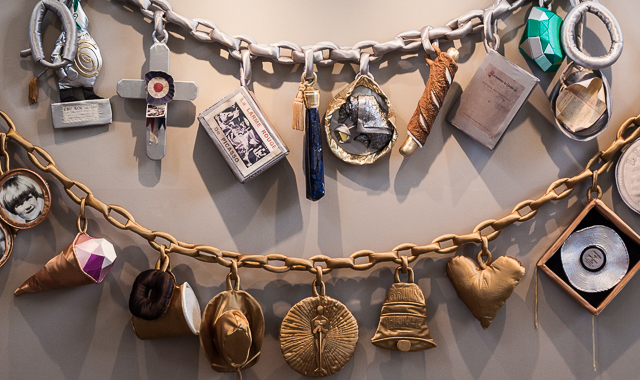
Behind her charming bracelets, Haworth has something edgier to show. “She Was Not There” and “She Was Defined by Negative Spaces” comprise a symmetrical pair of mixed-media canvases that make their most telling point through their ambiguity: is this one woman, or two playing similar roles in familiar […]
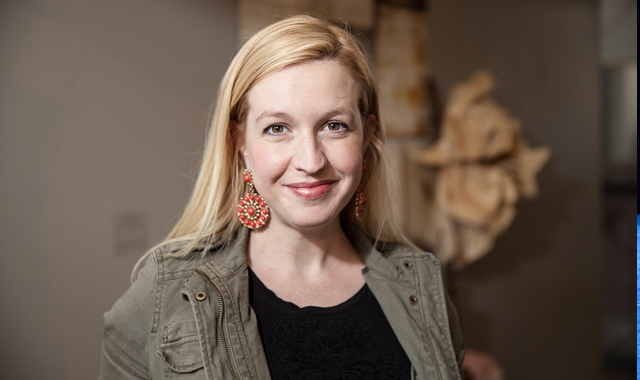
Laura Hurtado, who curated the Plural and Partial show at the Rio this month (see left column), says she might throw into the mix a work of her own: a performance piece. The exhibit is about intergenerational relationships, so it seems appropriate that Hurtado is due to give birth […]

Contemporary representations of parenthood are rampant in popular culture. Ranging from idyllic to distressing, such portrayals oftentimes generalize a complicated experience. Love Hours, an exhibition currently at the Alice Gallery in Salt Lake City tackles this immensely personal and time-honored experience. As a scholar of feminist art, the show’s curator […]

In an observation regarding humankind’s cerebral relationship to the landscape, controversial author Salmon Rushdie once stated, “we will, in short, create fictions, not actual cities or villages, but imaginary homelands, Indias of the mind.” Many have cited the interconnected discourses of art, environment and human perception. Indeed, […]